
Who We Are
Addressing the effects of poverty with compassion, dignity, and hope.
See the Need,
Meet the Need
La Puente Home, Inc. is a 501(c)(3) non-profit organization in Colorado's San Luis Valley, a vast, isolated, region that experiences national-high rates of poverty. Poverty begets hunger, homelessness and other crises that destabilize families. La Puente is our community’s response to address the effects of poverty by providing a safety net of services, where individuals and families get what they need to stabilize, heal, strengthen, and ultimately thrive.
Annually over 12,000 individuals and family members receive at least one of our services, including emergency shelter, nutritious food from one of our 15 pantries, housing with support services, youth-stabilization services, homeless prevention resources, soup kitchen meals, home outreach visits, and more. With the objective of meeting the needs of the homeless and community members in crisis, La Puente’s services both restore and strengthen people’s lives, to empower them to live independently, with dignity.
Each day, La Puente depends on the generosity of those who support our mission. Please consider partnering with us to cultivate a compassionate community.
When Compassion First Led to Action
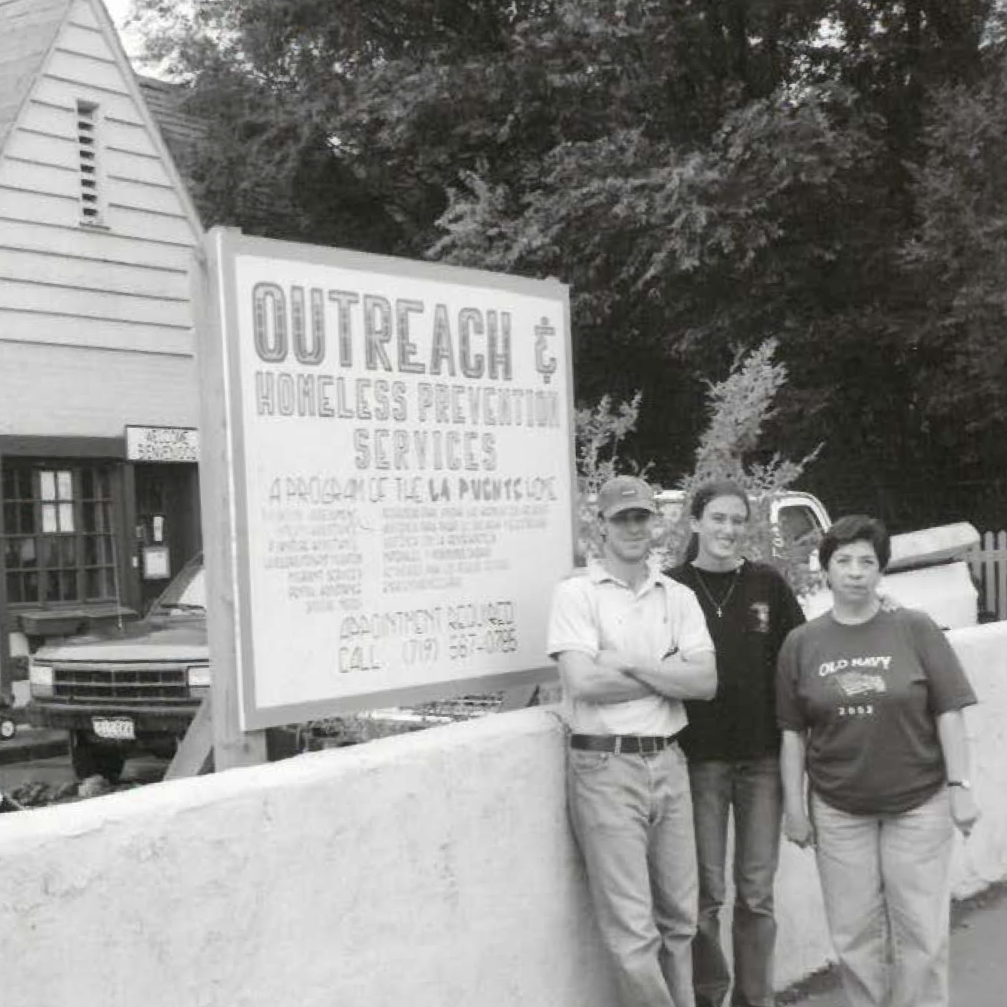
In the winter of 1978, Sister Mary Angelo Lobato saw the need to create a shelter for the Alamosa homeless community after two people froze to death, unsheltered from a severe 20-below-zero night.
Through her conviction and connections, Sister Lobato was able to temporarily open a shelter in Alamosa’s Catholic Church. Looking for a more permanent solution, Sister Lobato recruited others to aid in her dream. Five people showed up to the initial meeting; none of them knew it at the time, but they later became the La Puente Board of Directors.
The group identified a potential shelter location; an abandoned, boarded-up home that once belonged to a boy’s home that had lost its funding and was in foreclosure. The group unanimously agreed to retain the original name “La Puente” (meaning “the bridge” in Spanish) and legally formed the nonprofit corporation. Months of labor followed to repair and clean the building.
Finally, in 1982, the Shelter opened its doors, making La Puente one of the first rural homeless shelters in the nation.

New Efforts to Stabilize Families
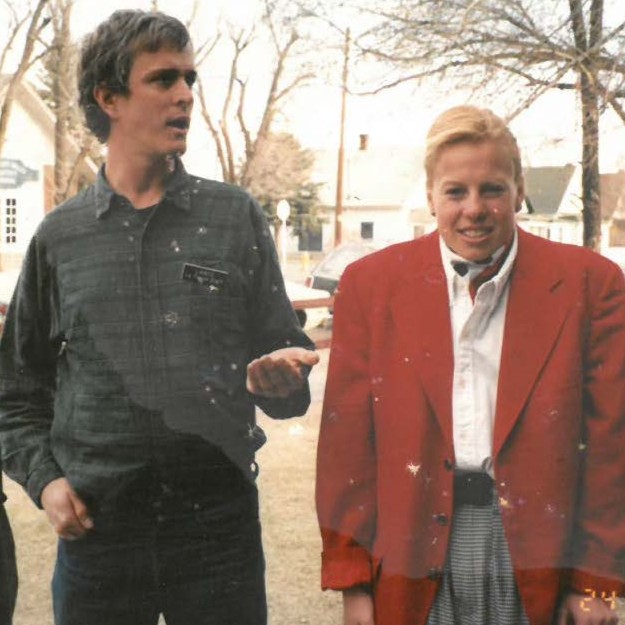
In 1989, 29-year-old Lance Cheslock became the new director. At $5 an hour, the board was afraid he would only stay a few years. But Lance never left–he currently acts as Executive Director–and continues to lead through selfless service. (Example: Lance once refused to stay at a hotel during a homeless convention and instead lodged at a shelter himself!)
Lance and his small team quickly realized that solely offering shelter in the short term didn’t truly allow individuals to address more deeply-rooted issues or pursue long-term goals. Thus, in 1991, Adelante Family Resource Center was born. While Adelante has since expanded its services, the program's initial focus was to provide supportive housing.
At that time, the Shelter conducted 1,200 new intakes annually. Shelter guests, once settled, were asked, “What did you need to avoid staying here?” Many guests shared stories of extreme financial stress that would lead to eviction. So, Crisis Prevention was established in 1994 with the intention of stabilizing families so they could remain in their own residences.
Due to these efforts, by 1996, Shelter intakes had dropped by 50%.
Providing Food, Child Services, & Employment
A succession of new programs was introduced to “meet the need” during the 90s.
One urgent need was food. Lack of access to affordable, nutritious food plagues our rural community; there are only four full-sized supermarkets within 8,000 square miles. La Puente began running the The Food Bank Network of the San Luis Valley in 1997, with its humble origins as a single pantry managed by one volunteer. In tandem, the Valley Educational Gardens Initiative (VEGI) was established in 1999.
Another need was affordable childcare. When Shelter or Adelante participants pursued employment or other goals, a volunteer offered to watch the children for free, generating the idea for PALS Children’s Program.
To help fund this expansion, La Puente established Social Enterprises—businesses that generate income for the organization’s social services, embody our values, and create much-needed jobs for individuals struggling to reenter the workforce. Rainbow’s End Thrift Store and Milagros Coffee House opened their doors with the help of community partners–and some miracles, including a losing lottery ticket!

Refining & Expanding Programs
During the 2000s, La Puente placed less emphasis on building new programs, but rather refining existing programs to ensure they “met the needs” of our community.
For example, PALS staff quickly realized that the children needed more support than just supervised play; adverse experiences such as homelessness or abuse had led to specific social-emotional needs. Ultimately, PALS evolved into a certified trauma-informed children’s program, placing emphasis on mentorship and skills to build healthy relationships.
Moreover, starting in 2005, the Shelter underwent major renovations to increase its capacity, improve functionality, and create a more inviting space for guests. New dormitory rooms were added, in addition to expansions to the kitchen and dining area. Much of the labor was provided by community volunteers and visiting work groups; in total, over 350 people contributed their time, skills, and resources. One volunteer noted, “It is amazing what can be accomplished when people work together.”
Finally, recognizing that financially-stretched families were struggling to even afford thrift-store prices, in 2005, La Puente established ReThreads, a FREE community resource bank.
.jpg)
Outreach to the Outskirts
La Puente began turning an eye outwards in the 2010s, seeking to better support individuals and families that were on the geographical and social margins of our community.
In the San Luis Valley, a large number of community members live off-grid “in the flats,” remote land parcels that are sold at dirt-cheap prices. However, while enabling families to create independent homesteads, extreme isolation cuts off households from much-needed resources, and many families become battered by never-ending challenges. The book, Cheap Land Colorado by Ted Conover, details these experiences, and makes note of La Puente’s effort to meet the need. From 2016-2020, La Puente’s Rural Outreach Program built connections with off-griders, supplying firewood, survival supplies, home repairs, and more.
La Puente staff also felt increasingly driven to reach out to socially marginalized community members—the unsheltered homeless. Due to social anxiety, PTSD, struggles with maintaining sobriety, or a desire to remain self-sufficient, these individuals were reluctant to engage in services. As such, staff began informal outreach efforts to meet people where they were.
.jpg)
Embracing Change & Growth
During the COVID-19 pandemic, La Puente kept its doors open, adjusting services to meet safety precautions.
One major challenge was the increase in unsheltered homelessness at a time when The Shelter had to reduce its capacity for safety measures. Consequently, what was once a staff-initiated effort became formalized into the Street Outreach Program. To this day, Street Outreach engages vulnerable individuals and builds trusting relationships through offering emergency provisions to meet immediate needs as well as housing-focused case management services.
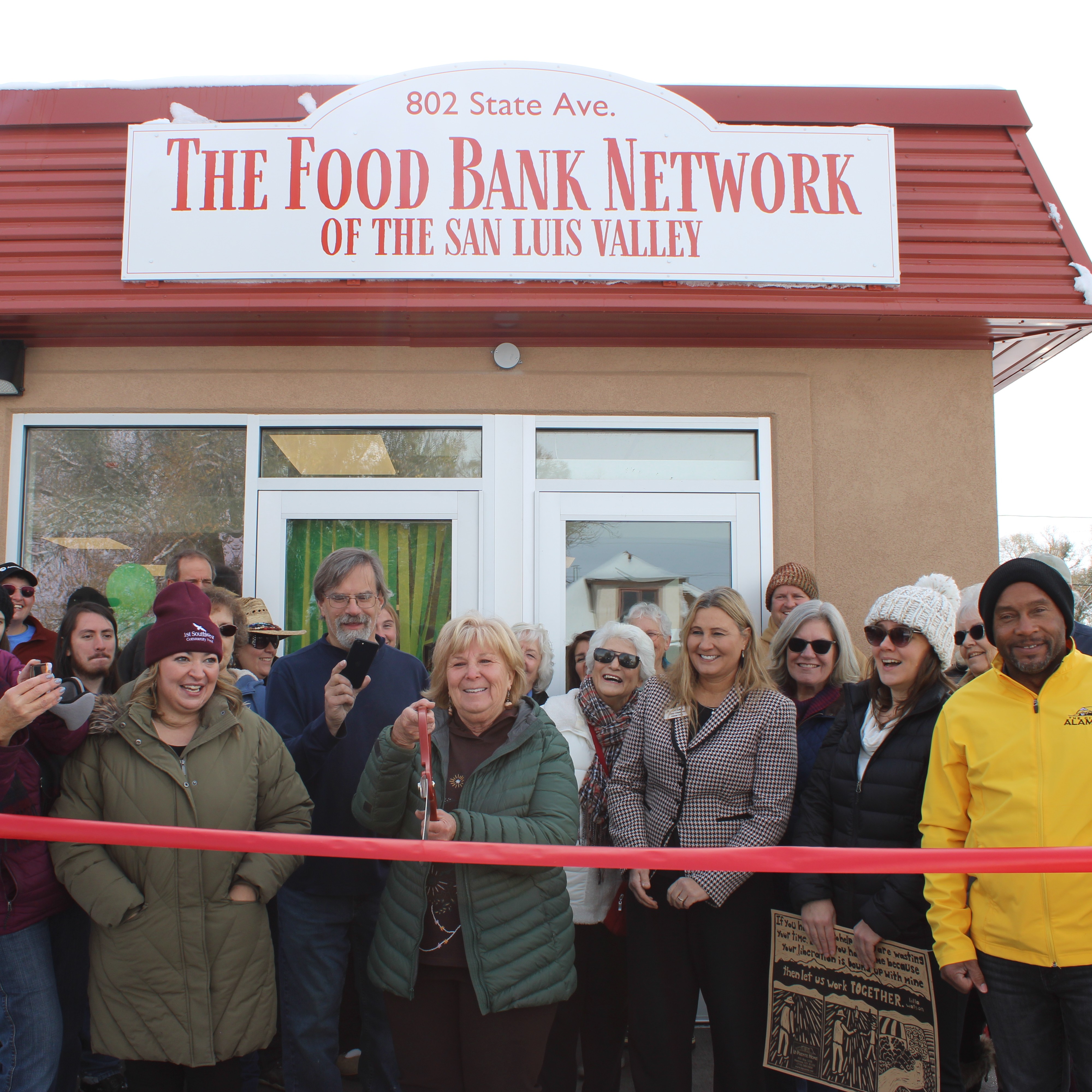
In 2024, the hub of the Food Bank Network of the San Luis Valley, Alamosa’s Food Bank, successfully moved into a new building. It is a more dignified space that includes a waiting area for comfort, a private intake space, a teaching kitchen, and ADA accessibility. In the past 44 years, La Puente has evolved in response to community needs.
Looking forward, we are committed to continuing to “see the need, meet the need,” maintain our values of compassion and dignity, and be a refuge of safety and hope for those who need it most.
Meet the people behind La Puente
Dedicated staff and volunteers working daily to strengthen our community.
